Comparing two metal roof styles
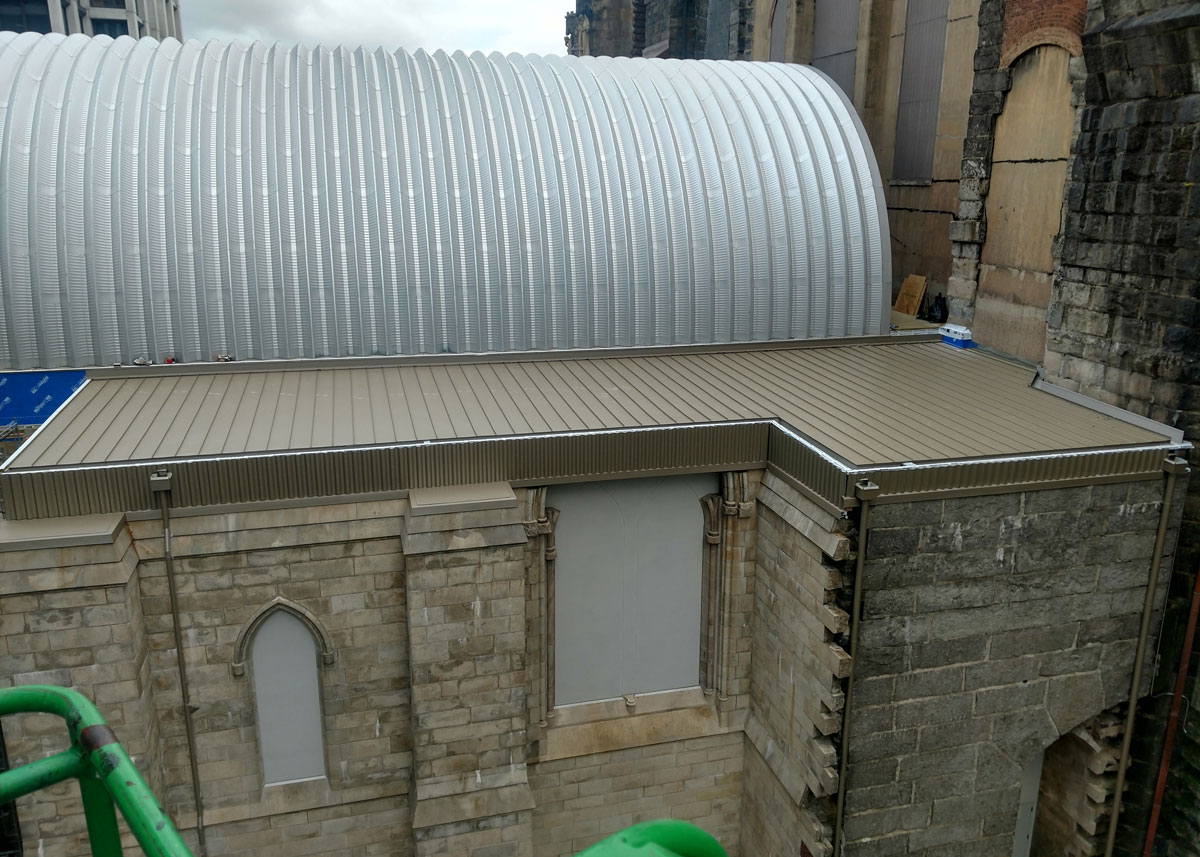
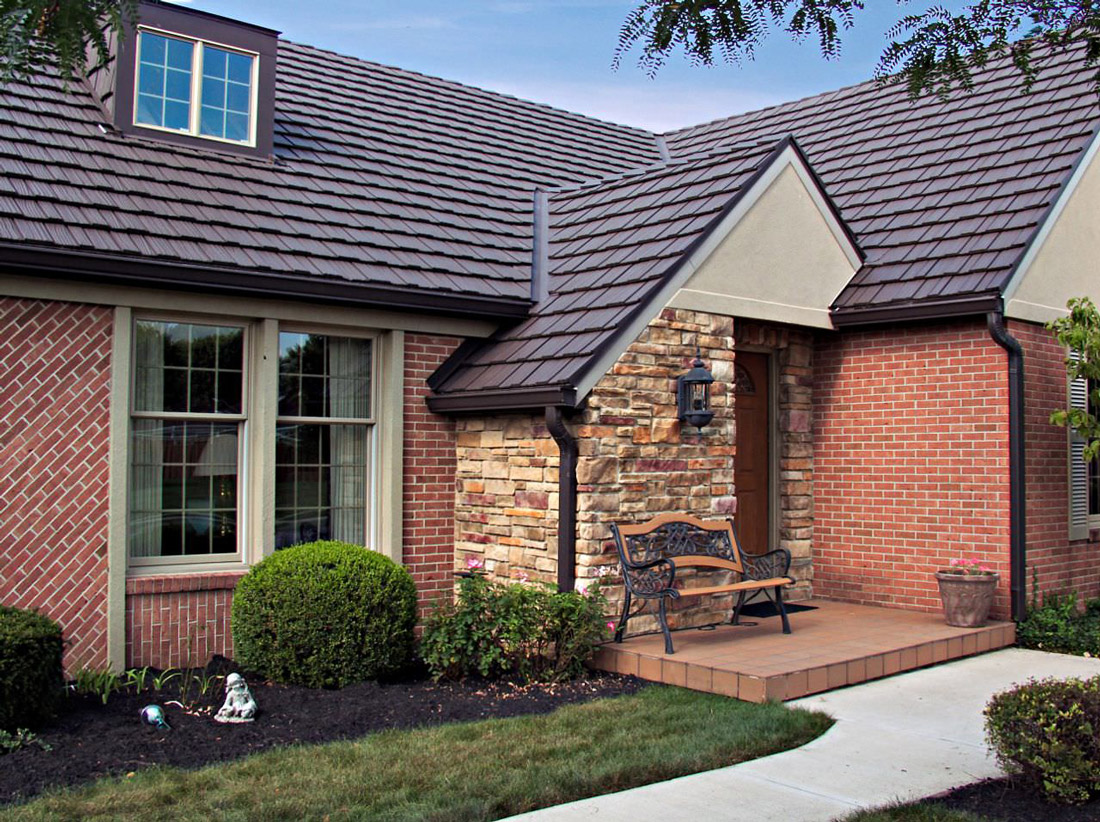
Standing seam vs metal shingles comes down to the look you want and the shape of your roof. Standing seam runs long, smooth panels joined by raised seams from ridge to eave. Metal shingles lock small steel or aluminum pieces together so the roof reads as shake, slate or tile. Both are long-lived metal roofs; they differ on curb appeal, HOA fit, hail marks, low slopes, solar and cost.
Permanent Metal Roofing Systems installs both and forms its own standing seam panels, so weigh our view with that in mind. Considering stone-coated steel instead? Our stone-coated steel vs. standing seam guide covers that matchup.
How Do Standing Seam and Metal Shingles Compare Side by Side?
Standing seam leads on low slopes, solar and simple rooflines. Metal shingles lead on traditional looks, HOA approval, complex roofs and hiding hail marks. Each row is explained below.
| Factor | Standing seam | Metal shingles and shakes |
|---|---|---|
| Look | Long vertical lines; modern, farmhouse and clean-lined ranch homes | Cedar shake, slate, flat shingle or barrel tile |
| Metals we install | Galvalume steel in 26, 24 or 22 gauge; aluminum; copper; zinc | EDCO 28-gauge galvanized steel; Classic aluminum from 0.019 to 0.032 inch |
| Fastening | Clips screwed to the deck, hidden under each seam | Four-side locking edges, with clips or fasteners hidden by the next course |
| Minimum slope | Snap lock from 3/12; mechanical lock down to 1/2:12 | 3:12 for Classic profiles; 4:12 recommended by EDCO |
| Best roof shapes | Long, simple planes, plus porches and low slopes | Hips, dormers, turrets and cut-up rooflines |
| Hail marks | Can show on flat pans; 24 gauge and striations help | Embossed texture hides small dents |
| Impact rating | Class 4 when panel, gauge and deck match a tested listing | EDCO rates its steel shakes Class 4; Classic publishes UL impact reports |
| Heat movement | Floating clips let long panels slide | Short pieces each move a little at the locked edges |
| HOA fit | Board review carries more weight | Usually meets the Texas resemblance test more easily |
| Solar | Racking clamps onto the seams; no drilling | Mounts need flashed attachments through the roof |
| Relative cost | Snap lock is the economical option; mechanical lock costs more | Steel shakes toward the lower end; aluminum toward the middle and upper end |
| Warranty | PMRS Lifetime Non-Prorated Limited Warranty, material and labor | Each maker’s published lifetime limited warranty |
Which Style Looks Right on Your House?
Let the architecture choose. Standing seam suits modern, farmhouse and contemporary homes and many single-story ranches, and it sharpens a porch or bay as an accent roof. Metal shingles and shakes belong on Craftsman, Tudor, traditional brick, Hill Country and Mediterranean houses, where a textured roof looks native.
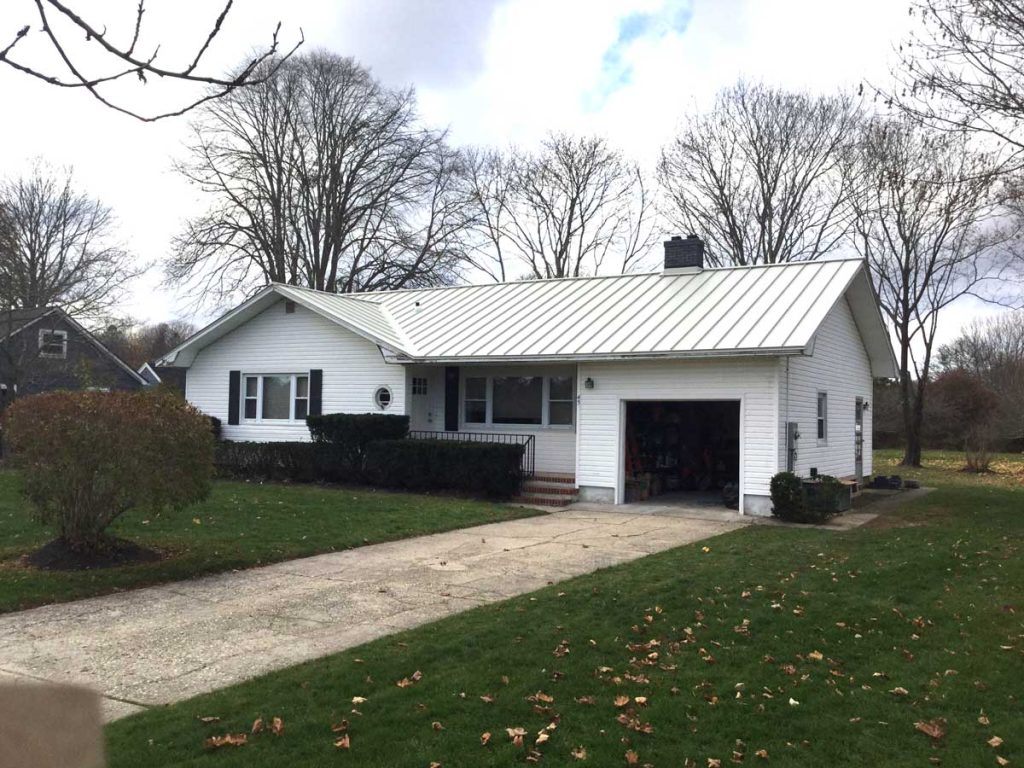
In a deed-restricted neighborhood the choice is partly legal. Under Texas Property Code 202.011, an association that allows ordinary shingles generally cannot shut out ones built for wind and hail. The conditions: the replacement has to resemble what the subdivision already approved, be more durable, be of equal or better quality, and blend in with nearby houses. Shake- and slate-look metal is designed around that test.
Standing seam looks nothing like a shingle, so the architectural committee keeps more discretion over it. Samples, color chips and a tidy submittal improve the odds either way; our HOA approval guide lists what to bring. This is general information, not legal advice.
Which Works Better on a Complex or Low-Slope Roof?
Metal shingles handle complicated roofs with ease; standing seam owns long planes and low slopes.
A standing seam panel runs in one piece from ridge to eave, so a plain gable or hip goes on fast and looks crisp. Every hip, valley, dormer and skylight interrupts those runs, and each cut edge needs trim. A chopped-up roof therefore adds labor and trim to standing seam, while small shingle pieces work around turrets, dormers and short planes with less fuss.
Slope can settle the question outright. Classic Metal Roofing Systems calls for at least 3:12 under its profiles, and EDCO’s recommendation for its steel shakes is 4:12 or steeper. Our snap lock panels also start at 3/12, but mechanical lock panels can run as flat as 1/2:12. That is why so many DFW homes mix the two: shingles on the main roof and standing seam on a nearly flat porch.

How Do They Compare on Hail and Class 4 Ratings?
Both can carry Class 4 paperwork, and metal shingles usually hide dents better.
UL 2218, the impact test behind Texas premium credits, grades whether a roof covering cracks or ruptures, not whether it dents, and the Texas Department of Insurance leaves each carrier to set its own credit. EDCO rates its ArrowLine Shake and Generations HD steel shakes UL 2218 Class 4. Classic publishes UL impact reports for its aluminum lines, so confirm the class for the exact product. Standing seam reaches Class 4 when its panel, gauge and deck match a tested listing.
Looks are where they part ways. Low sun can pick out a dent on a flat standing seam pan, while the deep embossing on a shake hides small marks. That matters because many Texas carriers now attach cosmetic hail exclusions. With standing seam, 24-gauge steel, striations and a low-gloss finish narrow the gap. Our Class 4 metal roofing page covers the paperwork insurers ask for.
How Are They Fastened, and How Do They Handle Texas Heat?
Neither shows a screw from the street, but each hides its fasteners differently and copes with heat in its own way.
Standing seam clips are screwed to the deck and hooked over one leg of a panel; the next panel covers the clip, and the seam closes over both. Metal shingles lock to their neighbors on all four sides, and the clips or fasteners for each course hide under the course above. Because both keep fastener heads out of the weather, both need far less fastener upkeep than exposed-fastener PBR.
Heat is handled differently. A long steel panel grows and shrinks a noticeable fraction of an inch between a winter night and a July afternoon, and DFW sees about 20 days of 100-degree heat in an average year. Floating clips let each standing seam panel slide while staying held down. Shingle panels are short, so each moves only slightly and the locked edges absorb it. Long flat pans can also show oil canning, a cosmetic waviness that textured shingles rarely display; our oil canning guide explains how we limit it.
Which Is Easier to Walk On and Repair?
Standing seam is usually easier to walk; repairs depend on the damage. Either way, the work belongs to a crew that knows the system.
Crews walk standing seam in the flat of the pan close to the seams. Thin embossed shingle panels can be bent by a careless step, so foot traffic on them takes more care, and other trades should stay off both.
Repairs cut the other way. A badly damaged standing seam panel usually runs eave to ridge, so the fix can mean replacing one full-length panel. On a shingle roof, a single damaged piece can usually be worked free of its locked edges and replaced with patience and little material. See our metal roof repair page for how we assess storm damage.
How Long Does Each Take to Install?
Standing seam is usually quicker on a simple roof; metal shingles close the gap on a cut-up one.
We roll-form standing seam to the length of each roof run, in Mesquite or at the house, so a straightforward gable is covered in a handful of long panels. Shingles go on course by course from the eave up, which takes longer across wide open planes but needs no custom panel lengths around dormers and short runs. Tear-off, deck repairs, pitch and weather move either schedule, and your written estimate lists the expected timeline.
Which Costs More: Standing Seam or Metal Shingles?
They overlap more than most people expect. National 2026 cost guides place steel metal shingles near the lower end of the standing seam range and aluminum shingles toward its middle and upper end. Within standing seam, snap lock is the economical choice and mechanical lock costs more because seaming adds labor.
Roof shape can flip the order: a cut-up roof adds trim and hours to standing seam, while a long, simple roof favors it. Both cost more per square than architectural asphalt. We can put both systems on one free, written, itemized estimate after we measure, and the metal roof cost page explains every factor that moves the total.
What Warranties Come With Each Roof?
Standing seam carries our own warranty; metal shingles carry the maker’s.
Standing seam roofs from PMRS carry our Lifetime Non-Prorated Limited Warranty. Labor is included along with material, and if you sell, a buyer can take over the coverage once. It does not cover acts of God, among them hail, tornadoes, high winds, fire and flood; your insurer handles those. On our standard PVDF colors, the coil coater adds a 40-year finish warranty.
EDCO describes its ArrowLine and Generations HD coverage as a lifetime, non-prorated limited warranty that extends to material and labor. Classic Metal Roofing Systems offers a transferable lifetime limited warranty, and DECRA stone-coated steel carries DECRA’s published terms. Our warranties page sets them side by side.
When Does Each One Win?
Most houses point clearly one way once you answer a few questions about style, slope and plans.
Choose standing seam if:
- The house is modern, farmhouse, contemporary or a clean-lined ranch.
- Part of the roof is flatter than 3/12, such as a porch or addition.
- Solar is in your plans; seam clamps avoid drilling the roof.
- The roof has long, simple planes with few interruptions.
- You want copper or zinc, or the PMRS lifetime limited warranty that comes with our standing seam.
Choose metal shingles if:
- Your HOA or your street calls for a shake, slate, shingle or tile look.
- The roof is cut up with hips, dormers, turrets or short planes.
- Hidden hail marks matter, or your policy has a cosmetic exclusion.
- You are replacing cedar shake and want to keep the wood character.
- You want the lightest metal roof, which Classic’s aluminum delivers.
Standing Seam or Metal Shingles? A Decision Checklist
- What style is the house, and what do neighboring roofs and the HOA guidelines show?
- What is the lowest pitch anywhere on the roof, including porches and additions?
- How many hips, valleys, dormers and skylights break up the roof?
- Is solar likely while you own the house?
- Does your policy exclude cosmetic hail damage, and what does your carrier credit for Class 4?
- Have you read the warranty for each option, and do you know who issues it?
- Have you seen samples of each in daylight next to your brick or siding?
- Do you have one written estimate that prices both for the same roof?
What this means for DFW homeowners
For most houses here, two facts decide it: what the neighborhood looks like and how complicated the roof is. Traditional streets and busy rooflines lean toward metal shingles. Clean-lined homes, low porches and solar plans lean toward standing seam, and plenty of homes use both. Whichever way you go, get the Class 4 paperwork and the warranty in writing before you sign.
Standing Seam vs. Metal Shingle Questions
Are metal shingles as good as standing seam?
They are different rather than lesser. Standing seam has fewer joints and handles low slopes and solar better. Metal shingles hide hail dents better and suit traditional houses and HOA streets. Installed to the maker’s instructions, both are long-lived metal roofs.
Which lasts longer, standing seam or metal shingles?
Both are decades-long roofs. Standing seam has an edge because it has fewer joints and nothing pierces the panels, but quality shingle systems fall inside the 40 to 80 years InterNACHI lists for metal roofing. Our metal roof lifespan guide compares every system.
Can one house have both standing seam and metal shingles?
Yes, and many DFW homes do. The usual pairing puts metal shingles on the main roof and standing seam on a porch, patio cover or addition too flat for shingles, in a color picked to sit well beside the shingle finish. The transition flashing is where the skill shows.
What is the best metal roof for a house in Texas?
No single system wins everywhere. For HOA streets and hidden hail marks, a Class 4 rated shingle or shake profile is hard to beat. For low slopes, solar and clean lines, 24-gauge standing seam with a PVDF finish fits better. Start with roof shape, neighborhood rules and your policy, then compare written estimates.
Do metal shingles cost less than standing seam?
Sometimes. Steel shingles often price near the lower end of the standing seam range, while aluminum shingles land in the middle or above it. Roof shape can change the order, so ask for both systems on the same measured roof.
Are metal shingles louder than standing seam in the rain?
Not enough for most owners to notice. Laid over a solid deck, with underlayment beneath and insulation in the attic, either roof sounds about like any other in a storm. Some Classic shake panels also sit on a built-in air space above the deck.
Free estimate
Price Both Styles on Your Own Roof
Tell us about the house and any HOA rules. We measure, bring samples of both styles and write up standing seam and metal shingles side by side on a free, itemized estimate.
Get Your Free Metal Roof Estimate
Tell us about your roof. Our Mesquite office calls back the same business day to set up a free measurement and an itemized written estimate.
Prefer to talk now? Call (469) 466-2421.
Not Sure Which Metal Roof Suits Your House?
Call (469) 466-2421 and talk it over with people who install both. Our own crews have been putting on metal roofs since 2006.